
What Is Black Mould and Is It Dangerous?
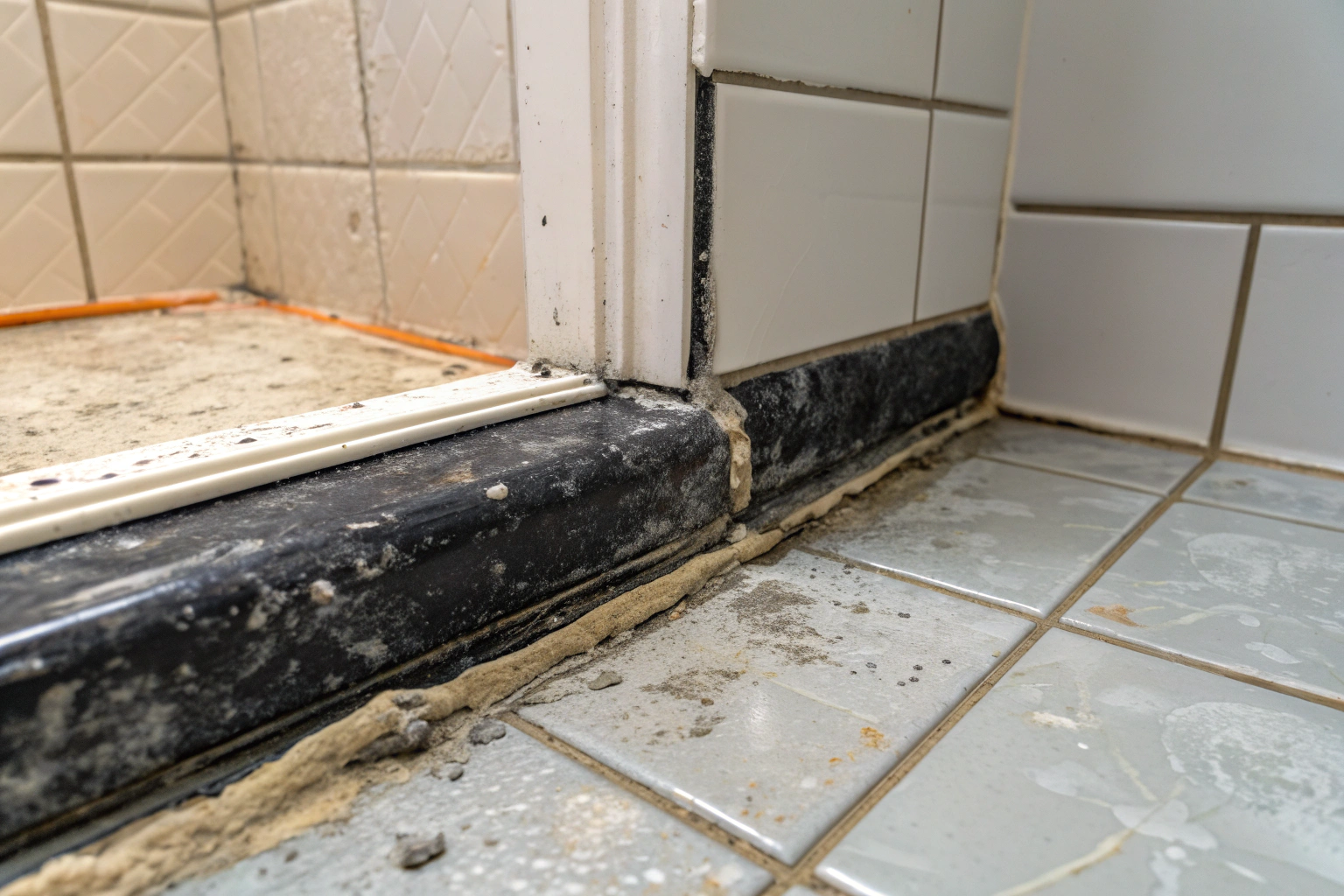
Black mould (Stachybotrys Chartarum) is a toxic, greenish-black fungus that grows in damp, water-damaged, or poorly ventilated areas. It’s the most dangerous common household mould — producing toxic spores called mycotoxins that cause serious health problems with prolonged exposure.
Health risks of black mould include:
- Persistent coughing, wheezing and respiratory infections
- Chronic headaches and difficulty concentrating
- Extreme fatigue and dizziness
- Nosebleeds in severe cases
- Worsened asthma and allergy symptoms
- Immune system suppression
Most at risk: children, the elderly, pregnant women, and anyone with asthma or a compromised immune system.
⚠️ Warning: Black mould cannot be safely removed with household products. Disturbing it releases toxic spores throughout your home. Professional remediation is always required.

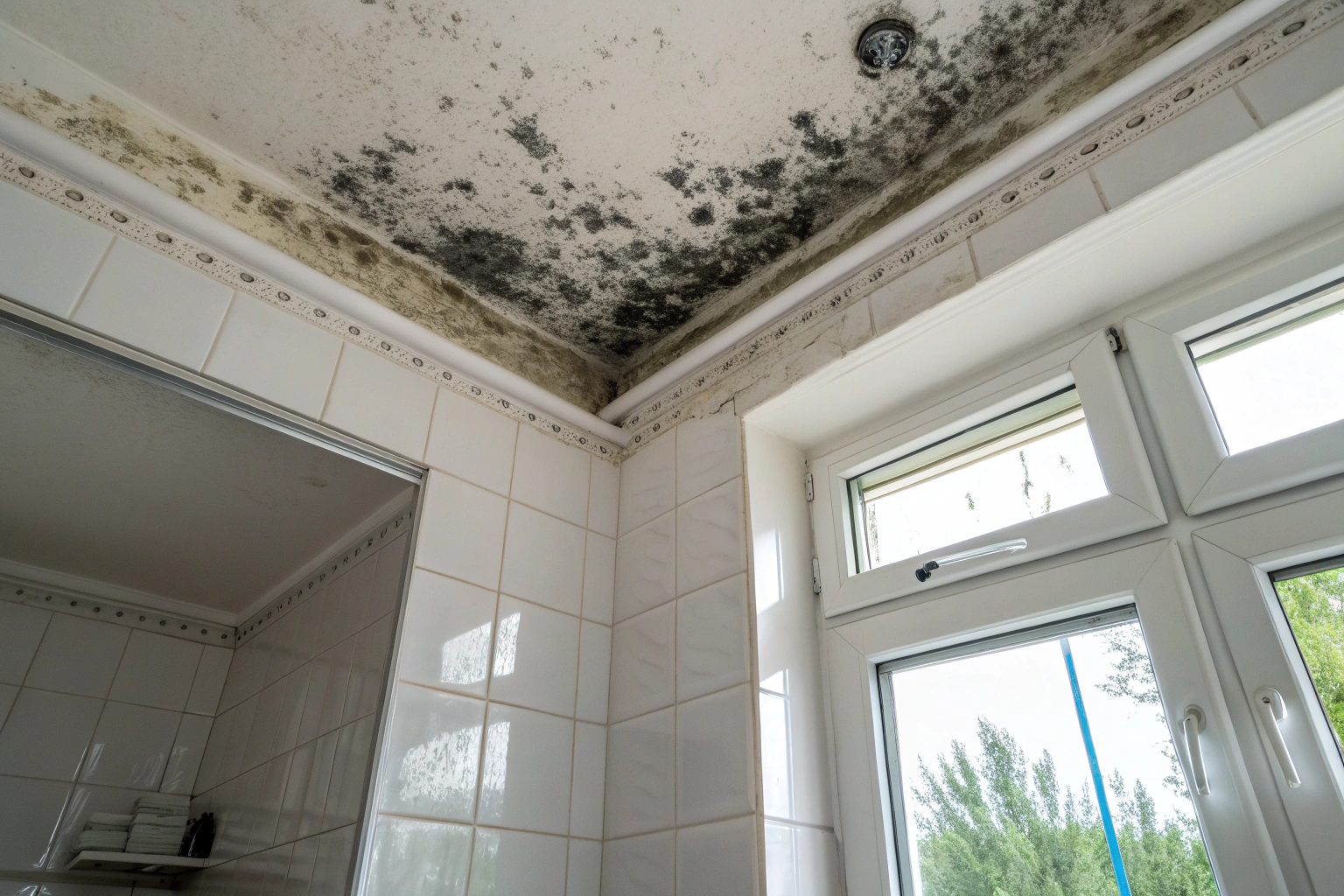
Where Black Mould Grows in Newcastle Homes
Health Symptoms of Black Mould Exposure
Black mould affects different people in different ways. Some notice symptoms within days. Others are exposed for months before realising their home is making them sick.
Immediate symptoms (short-term exposure):
- Sneezing, runny nose, and itchy eyes
- Skin irritation or rashes
- Coughing and throat irritation
- Headaches and mild dizziness
Chronic symptoms (long-term exposure):
- Persistent respiratory infections
- Chronic fatigue that doesn’t improve with rest
- Memory problems and difficulty concentrating
- Recurring nosebleeds
- Severe asthma attacks
- Anxiety and mood changes
Why You Should Never Attempt DIY Black Mould Removal
The Health Danger of Disturbing Mould: Touching or scrubbing black mould without proper protection releases thousands of toxic spores into the air. Once airborne, those spores spread through your entire home within minutes.
Why Surface Cleaning Always Fails: Household cleaners like bleach only remove surface mould. The root structure grows deep into walls, timber, and insulation — and keeps coming back unless the source is fully treated.
How Spores Spread Through Your Home: Disturbed mould spores travel through air vents, attach to clothing, and settle in carpet and furniture. What started in one room can contaminate your entire home in hours.
Why Professional Equipment Is Non-Negotiable: Proper black mould removal requires industrial air scrubbers, HEPA filtration, containment barriers, and specialist treatments. Without this equipment, removal attempts make the problem significantly worse.
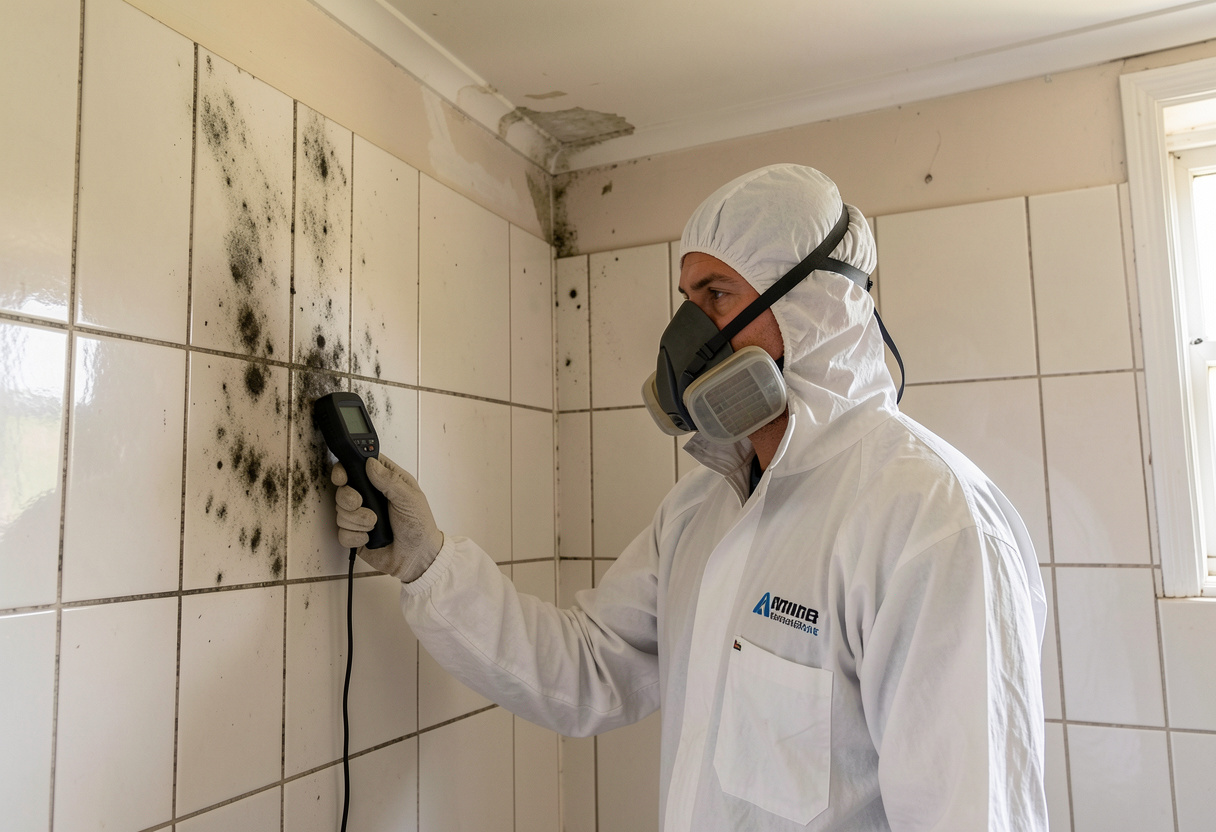
Our Professional Black Mould Removal Process
Step 1 — Emergency Assessment: We arrive fast, inspect the full extent of the mould growth, identify moisture sources, and give you a clear picture of what needs to be done before any work begins.
Step 2 — Containment & Safety Protocols: We seal off the affected area using professional containment barriers to stop spores from spreading to the rest of your home during the removal process.
Step 3 — Black Mould Removal & Treatment: Using industrial-grade equipment and certified treatments, we remove all mould growth and treat the affected surfaces to eliminate spores at the source — not just the surface.
Step 4 — Moisture Elimination: We locate and address the moisture source causing the mould. Without fixing the moisture problem, mould will always return regardless of how thorough the removal is.
Step 5 — Air Quality Restoration: Industrial HEPA air scrubbers clean the air in your home, capturing airborne spores left behind after removal and restoring safe air quality throughout the affected areas.
Step 6 — Restoration & Prevention Plan: We repair affected surfaces where needed and give you a straightforward prevention plan, so you know exactly how to stop black mould coming back in your Newcastle home.

Black Mould After Water Damage — Acting Fast Matters
Newcastle gets hit hard every storm season. Burst pipes, roof leaks, and flooding are common — and what most homeowners don’t realise is that black mould can start growing within 24 to 48 hours of water damage occurring.
By the time you can see or smell it, it’s already well established.
What to do immediately after water damage:
- Stop the water source if possible
- Don’t use fans or air conditioning — this spreads spores
- Keep children and pets out of the affected area
- Don’t pull up wet carpet or disturb wet walls yourself
- Call us for an emergency assessment straight away
Newcastle’s humidity means water-damaged areas dry slower than inland properties — giving mould more time to take hold inside walls, under floors, and in roof cavities before you even know it’s there.
The longer you wait, the more it spreads — and the more it costs to fix.
Black Mould vs Other Household Moulds
Not every dark spot on your wall is toxic black mould — but that doesn’t mean it’s safe to ignore. Here’s how common household moulds compare:
| Mould Type | Appearance | Location | Risk Level |
|---|---|---|---|
| Stachybotrys (Black Mould) | Greenish-black, slimy | Wet walls, ceilings, cavities | High — toxic mycotoxins |
| Aspergillus | Green, yellow, or black | Walls, food, HVAC systems | Moderate — respiratory risk |
| Cladosporium | Olive green or brown | Fabrics, wood, carpet | Moderate — allergy trigger |
| Penicillium | Blue-green, powdery | Insulation, mattresses, walls | Moderate — respiratory risk |
| White Mould | White, fluffy | Soil, timber, basement areas | Low-Moderate — varies by type |
Why Professional Identification Always Matters
Many moulds look similar to the untrained eye. Misidentifying mould leads to wrong treatment — and the problem keeps coming back. We correctly identify the mould type before any treatment begins.
Black Mould Removal Cost in Newcastle
The cost of black mould removal depends on how severe the problem is, how far it’s spread, and what’s needed to fix the moisture source causing it.
Factors that affect the price:
- Size of the affected area
- Location of the mould (accessible vs inside walls/roof cavities)
- Severity and depth of mould growth
- Whether moisture source repairs are needed
- Number of rooms affected
Typical price ranges for Newcastle homes (2025):
| Job Size | Description | Estimated Cost |
|---|---|---|
| Small | Single surface area, one room | $300 — $600 |
| Medium | Multiple surfaces or one large area | $600 — $1,200 |
| Large | Multiple rooms or cavity access required | $1,200 — $2,500+ |
| Emergency | Same-day response after storm or flood damage | Call us for a price |
Insurance coverage:
Mould removal following storm damage, flooding, or a plumbing leak is often covered under home and contents insurance. We provide full documentation to support your insurance claim.
Payment options:
We offer flexible payment options to make emergency remediation accessible when you need it most. Ask our team for details when you call.
Frequently Asked Questions About Black Mould Removal in Newcastle
Can we just clean black mould ourselves with bleach?
We get asked this a lot, and the honest answer is no. Bleach only removes the surface colour — it doesn’t kill the root structure growing inside your walls. On top of that, scrubbing black mould without proper protection releases toxic spores into the air and spreads the problem through your whole home.
How do we know if it's actually black mould or just regular mould?
Honestly, you can’t tell just by looking at it — and neither can most people without testing. That’s why we always identify the mould type before we start any treatment. What matters is that no mould should be left untreated, regardless of the type.
How long does black mould removal take?
For most homes, we can complete the job in one day. Larger jobs involving multiple rooms or mould inside wall cavities may take two days. We’ll give you a clear timeframe before we start so you can plan around it.
Can you remove mould from bathroom ceilings without damaging the paint?
es. We use treatments specifically suited to painted ceiling surfaces. In most cases, the ceiling comes up well — if there’s any paint damage from the mould itself, we’ll let you know during the assessment.
Is black mould making my family sick?
It very well could be. If anyone in your home has unexplained respiratory symptoms, chronic fatigue, headaches, or worsening asthma — and you’ve found mould — there’s a good chance the two are connected. We recommend getting your home assessed as soon as possible and letting your GP know about the potential exposure.
Do we need to leave the house during mould removal?
For small, contained jobs, you may be able to stay home. For larger remediation work, we’ll recommend that children, elderly family members, and anyone with respiratory conditions stay elsewhere until the job is complete and air quality is restored. We’ll advise you on this when we assess your home.
Will the mould come back after you treat it?
Not if the moisture source is properly fixed. Mould always comes back when there’s still a moisture problem feeding it. That’s why we locate and address the source as part of every job — not just remove what’s visible.
Local Cleaners you can Rely on in Newcastle, NSW.
