
What Causes Mould on Walls and Ceilings in Newcastle
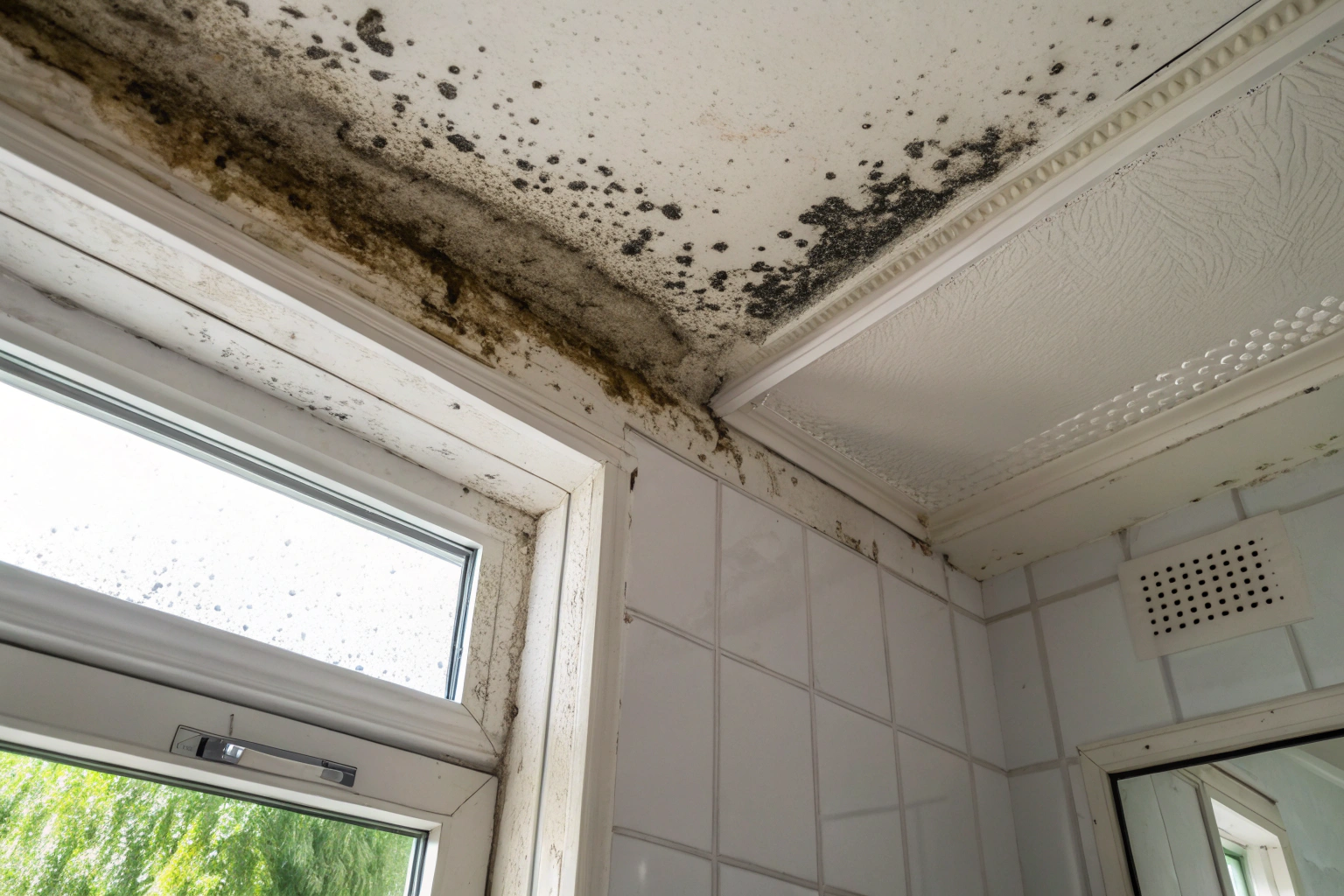
Mould on walls and ceilings in Newcastle comes down to one thing — moisture meeting cold surfaces. Newcastle’s coastal humidity, salt air, and older housing stock make that happen faster than most people expect.
The most common causes in Newcastle homes:
- Condensation and poor ventilation — Warm, moist air from showers and cooking settles on cold ceilings and walls, especially in bedrooms and bathrooms
- Coastal humidity — Newcastle’s salt air raises indoor moisture levels year-round and breaks down building materials, creating entry points for water
- Roof and gutter leaks — Broken tiles and blocked gutters let water into ceiling cavities, particularly in pre-2000s homes.
- Cold walls and ceilings — Poor insulation turns external walls into condensation surfaces every winter
- Rising damp — Ground moisture travelling up through older foundations and wall cavities
- Poor airflow behind furniture — Wardrobes and beds pushed against external walls trap moisture and restrict circulation

Where Ceiling and Wall Mould Appears in Newcastle Homes
Why Newcastle is More Vulnerable
Newcastle’s salt air degrades paint and building materials faster than inland areas. Most homes were built pre-1990 with minimal insulation, so external walls get cold enough in winter to trigger heavy condensation — especially in beachside suburbs like Merewether and Bar Beach.
Health Risks of Ceiling and Wall Mould
Surface mould might look minor, but the health impact on your household is anything but. Mould releases spores into the air you breathe every day — and in Newcastle’s humid conditions, spore counts inside affected rooms can get surprisingly high.
The most common health impacts include:
- Asthma flare-ups — mould spores are a known trigger, particularly in children.
- Allergy symptoms — sneezing, itchy eyes, and a runny nose that won’t go away
- Respiratory irritation — persistent cough or tightness, especially overnight in affected bedrooms
- Skin irritation — prolonged exposure can cause rashes in sensitive individuals.
- Increased risk for pets — animals low to the ground are exposed to settled spores too.
Kids and elderly household members are most at risk.
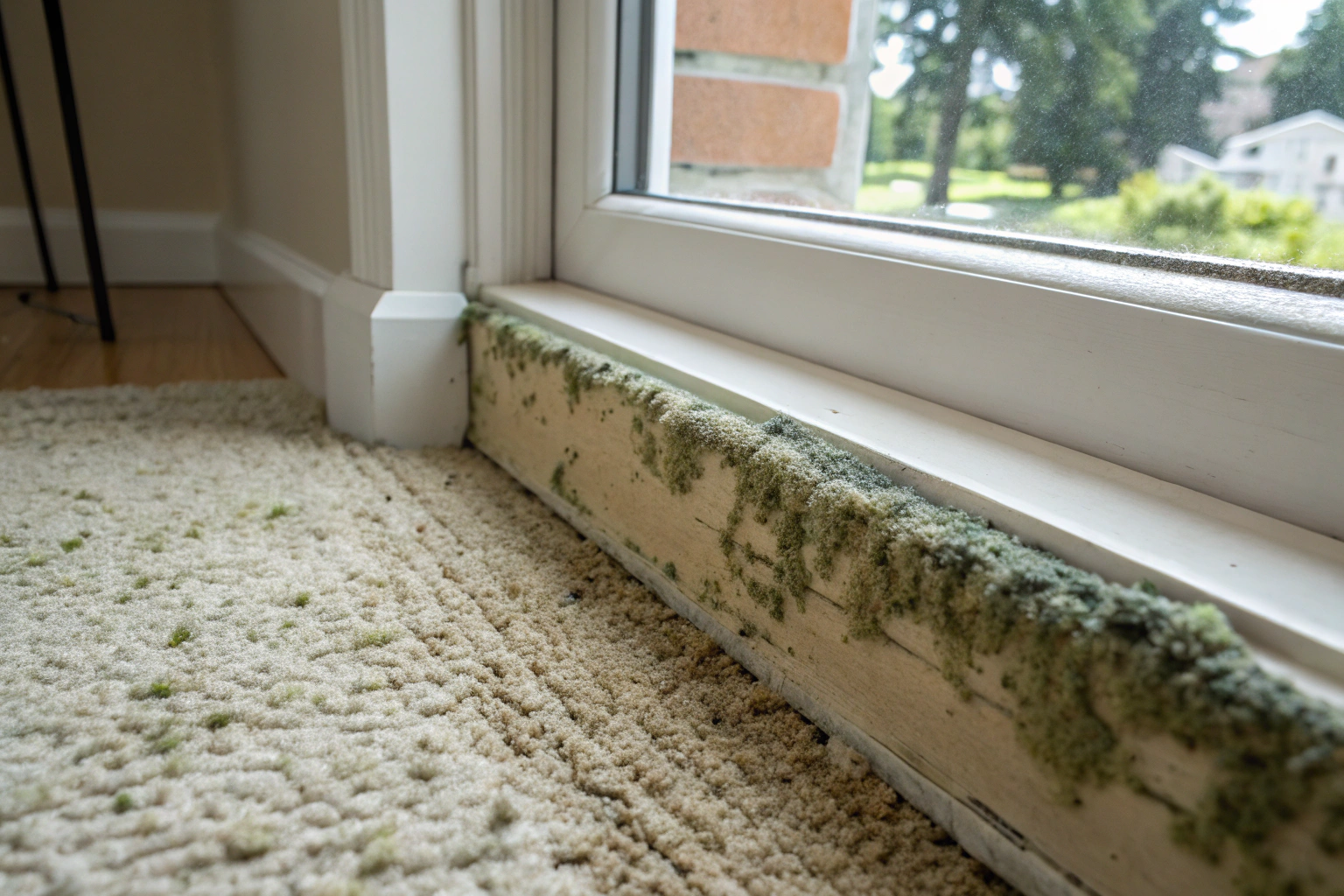
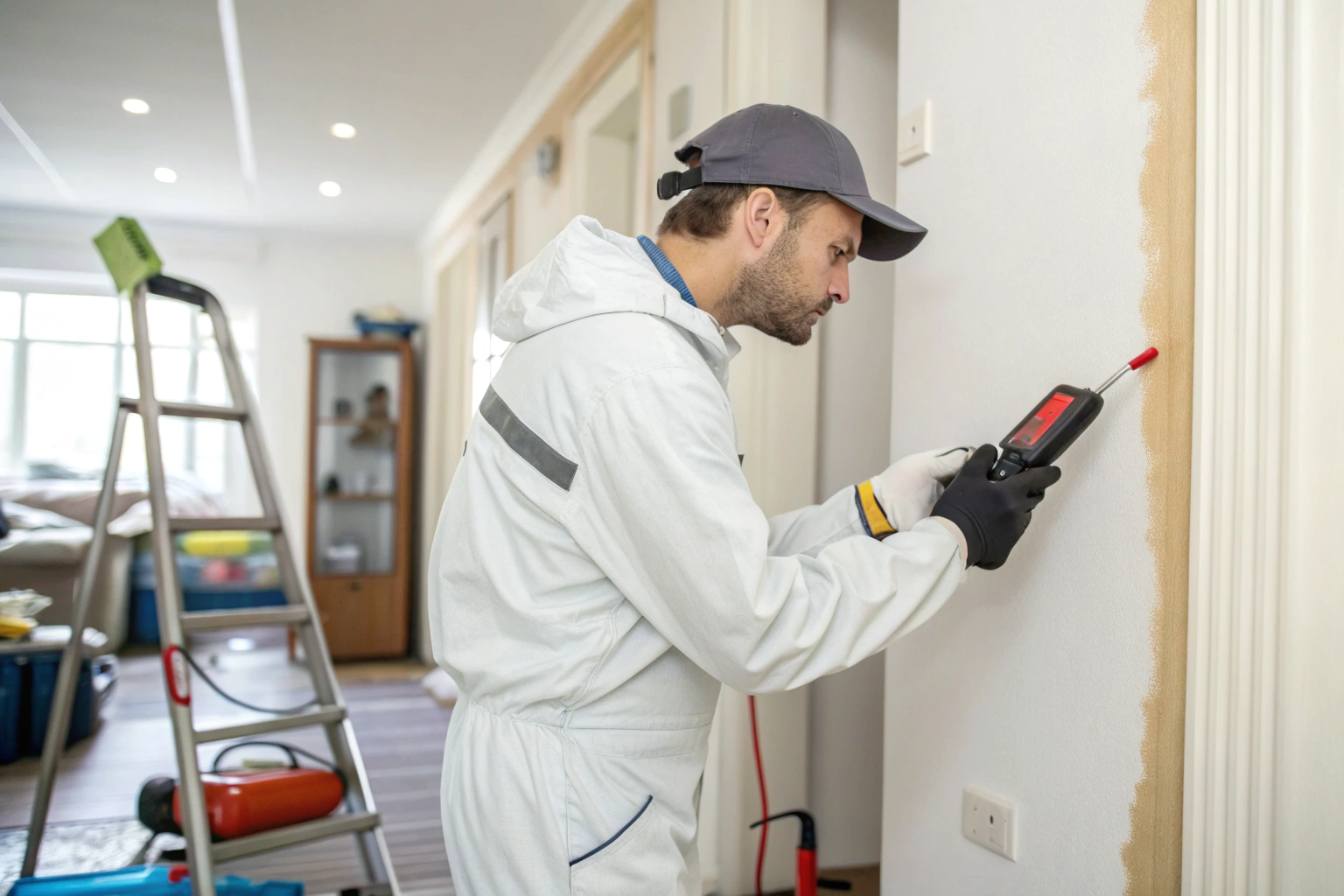
Our Ceiling and Wall Mould Removal Service
Assessment & Moisture Testing: Before we touch a single surface, we inspect every affected area properly. We use moisture testing equipment to measure what’s happening inside your walls and ceilings — not just what’s visible on the surface. We check for hidden leaks, identify the moisture source driving the problem, and give you a clear picture of what needs to be done and why.
Professional Mould Treatment: We use professional-grade mould-killing solutions that are safe for painted surfaces. The treatment removes mould roots — not just the surface appearance — so it doesn’t come straight back. We HEPA vacuum affected areas before treatment to contain spores and stop them from spreading through the rest of your home during the process.
Surface Restoration & Repainting: Where mould has stained the surface, we work to remove the staining before applying an anti-mould primer and mould-resistant paint. We colour-match to your existing surfaces so the treated areas blend in cleanly.
Prevention Treatment Applied: Once the surface is clean and treated, we apply a mould inhibitor coating to protect the surrounding area and slow any future regrowth. It’s the step most DIY attempts skip — and it’s what makes the difference between a fix that lasts and one that needs redoing in three months.
Ceiling Mould vs Wall Mould – Different Treatment Approaches
| Ceiling Mould | Wall Mould | |
|---|---|---|
| Primary cause | Steam and moisture rising from below | Condensation from cold external walls |
| Common locations | Bathrooms, bedrooms, around skylights | Behind furniture, window surrounds, coastal-facing walls |
| Key consideration | Ladder safety and overhead access required | Furniture placement and insulation issues often involved |
| Investigation needed | Check for roof leaks and blocked gutters above | May require checking for external leaks or rising damp |
| Treatment priority | Mould-resistant paint essential after treatment | Address airflow and condensation source first |
Why Professional Mould Removal Beats DIY
When DIY is Acceptable
DIY is fine if the affected area is smaller than a dinner plate, you caught it early, it’s surface only, and it’s a one-off with no signs of recurring moisture.
When to Call a Professional
- The area is larger than a dinner plate — spore spread during cleaning becomes a real concern
- It keeps coming back after cleaning, or the smell persists even after treatment
- Mould has appeared in multiple rooms or requires ladder access to reach
- You’re preparing the property for sale or rental — visible mould will kill a deal or a bond return fast
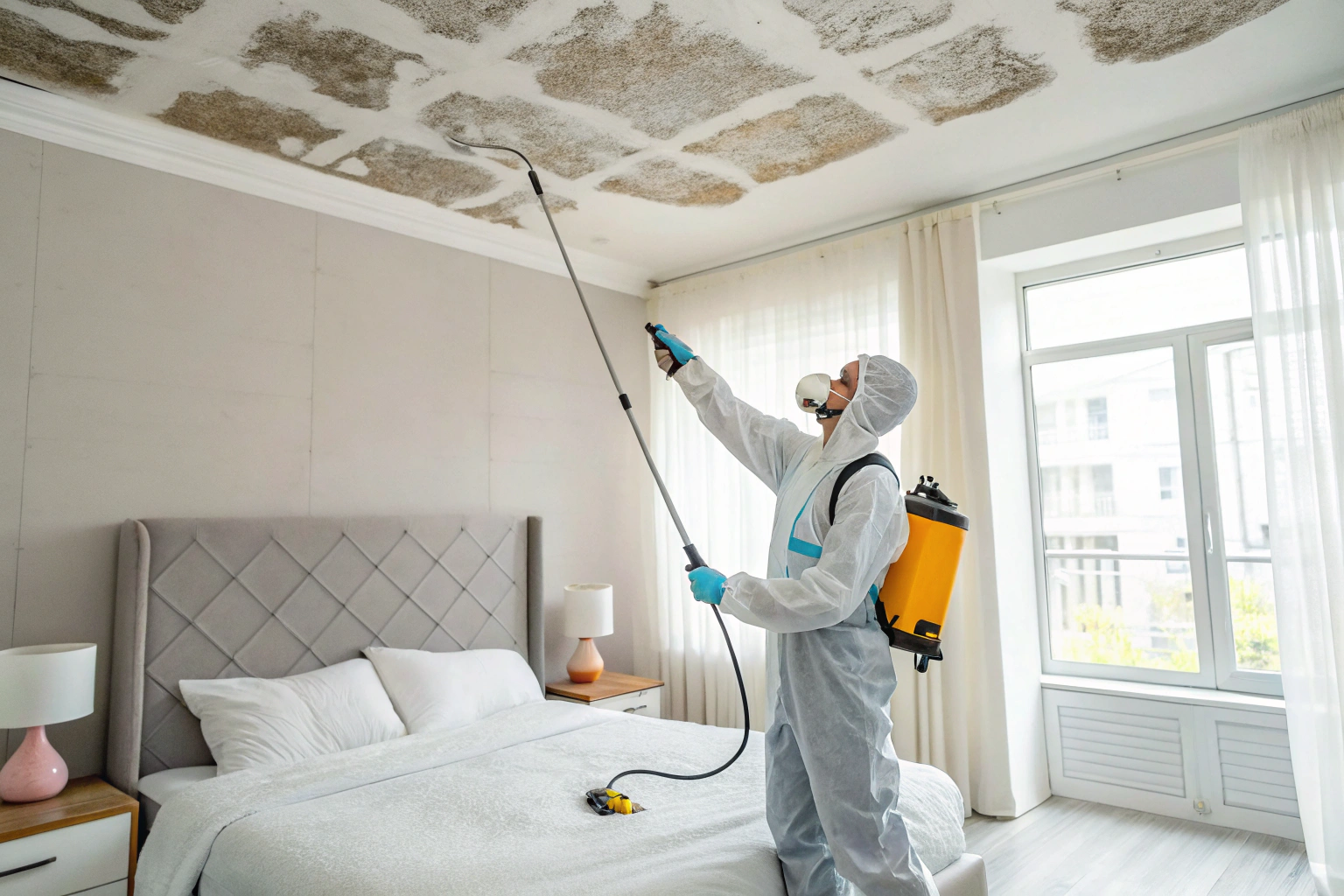
How to Prevent Ceiling and Wall Mould in Newcastle
Ventilation: Open windows daily, run exhaust fans during and after showers, and make sure air vents aren’t blocked. If condensation is an ongoing problem, a mechanical ventilation system is worth considering.
Condensation Control: Wipe down surfaces where morning condensation collects. Use a dehumidifier in problem rooms through winter, and avoid drying clothes indoors where possible.
Furniture Placement: Pull wardrobes and beds at least 5–10cm away from external walls. Trapped air behind furniture is one of the most common causes of hidden wall mould in Newcastle bedrooms.
Newcastle-Specific Tips: Coastal properties need a dehumidifier running year-round. Keep indoor humidity between 30–50%, and if mould keeps coming back, a quarterly professional inspection will catch new growth early.
Ceiling and Wall Mould Removal Pricing Newcastle
Prices vary depending on a few key factors:
- Size of the affected area
- Ceiling height and accessibility
- Whether repainting is required after treatment
- Number of rooms involved
The best way to get an accurate price is a free on-site assessment — we look at the affected areas, moisture test, and give you a written quote with no obligation.
Same-week bookings available. Call us today or book your free mould assessment online.

Frequently Asked Questions
How do I know if the mould on my ceiling is dangerous?
All mould should be taken seriously, but black mould that keeps coming back, covers a large area, or is accompanied by a persistent musty smell needs professional treatment. If anyone in your home has ongoing respiratory symptoms, get it assessed sooner rather than later.
Can I just paint over the ceiling mould?
No. Painting over mould without treating it first will not kill it. It’ll push through the new paint within weeks. We always treat and prime before any repainting is done.
Why does my bathroom ceiling keep getting mould even after I clean it?
Because surface cleaning doesn’t kill the roots. It also doesn’t fix the moisture problem driving regrowth. We treat the root cause and apply a mould inhibitor so it doesn’t come straight back.
Is the treatment safe for kids and pets?
Yes. We use professional-grade solutions that are safe for painted surfaces and dry quickly. We’ll let you know how long to keep the room ventilated after treatment.
How long does the treatment last?
With the right ventilation and moisture control in place, our treatment typically lasts well. That said, Newcastle’s coastal conditions mean no treatment lasts forever — we recommend a check-up if you notice any regrowth.
Do I need to be home during the treatment?
Not necessarily. We can discuss access arrangements when you book. Many of our Newcastle customers are at work while we complete the job.
Will you be able to remove the staining left by mould?
In most cases, yes, though heavily stained surfaces may need repainting to fully restore the look. We’ll tell you honestly during the assessment what’s achievable with treatment alone.
Local Cleaners you can Rely on in Newcastle, NSW.
