
Professional Mould Removal Newcastle Homes Can Rely On
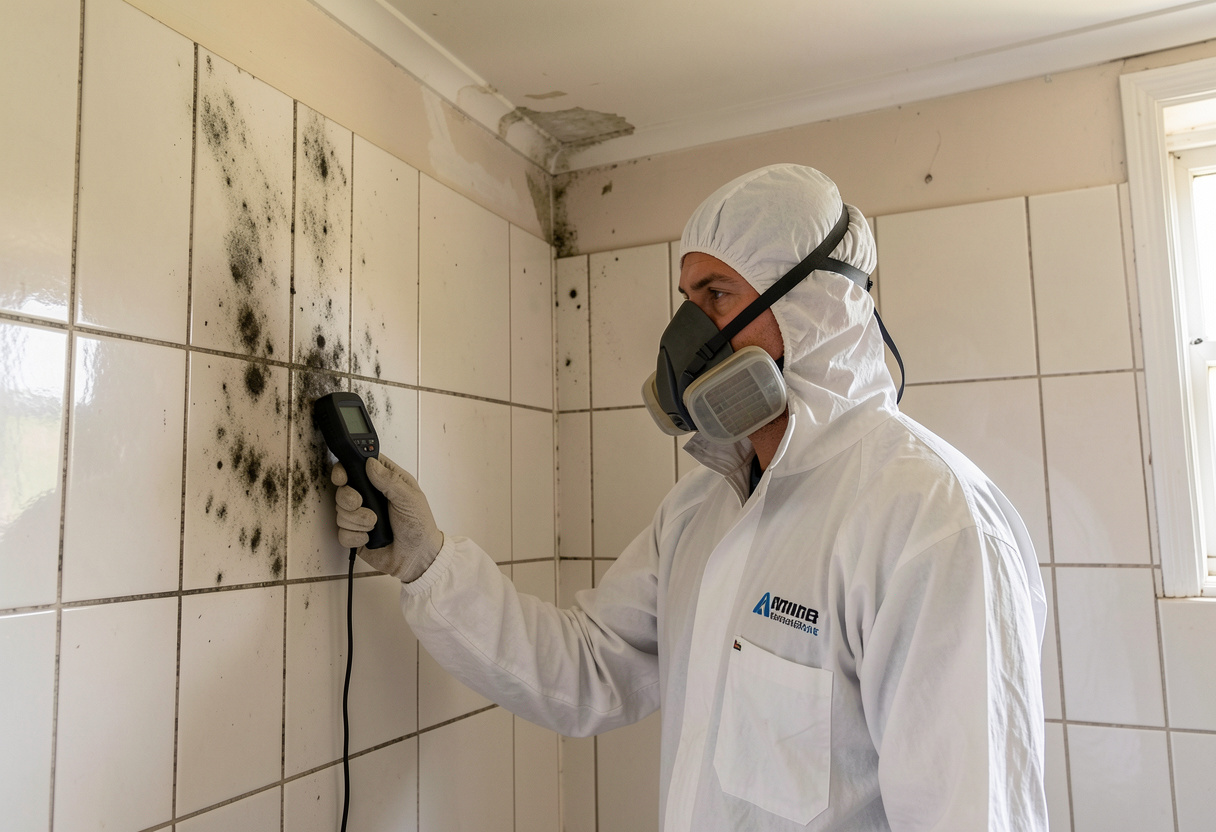
You open the wardrobe one morning and there it is. That dark, creeping patch spreading across the back wall. You’ve wiped it down before — maybe a few times — but it just keeps coming back. And now you’re wondering if it’s making the kids cough more than usual, or why the bedroom’s been smelling a bit off lately.
That’s Newcastle life. The coastal humidity, the salt air, the older homes that weren’t exactly built with ventilation in mind. Mould doesn’t take long to take hold here, and once it does, a spray bottle from the supermarket isn’t gonna cut it.
We provide professional mould removal Newcastle homeowners and businesses can rely on — treating the problem properly, getting to the root cause, and making sure it doesn’t just come straight back. Serving all Newcastle suburbs, Lake Macquarie, and the Hunter region.

Our Mould Removal Newcastle Services
Understanding Mould Problems in Newcastle Homes
What is Mould?
Mould is a fungi that thrives wherever there’s moisture and organic material to feed on — wood, drywall, fabric, even the dust sitting on your walls. It releases spores into the air constantly, grows fast (we’re talking 24-48 hours in the right conditions), and comes in different types with very different health implications.
Health Risks You Can’t Ignore
Respiratory problems, asthma flare-ups, allergic reactions, persistent headaches, fatigue — these are the everyday symptoms people chalk up to “just being tired.” In vulnerable people — kids, the elderly, anyone immunocompromised — the reactions can be severe.
What it Does to Your Property
Beyond the health side, mould causes real structural damage. Wood rot, drywall deterioration, staining, persistent odour, and if left alone, it spreads. Fast. Property values take a hit, and insurance claims can get complicated when mould’s involved.
Why Newcastle is a High-Risk Environment
Coastal humidity combined with salt air moisture creates near-perfect mould conditions year-round. Older Newcastle homes — particularly those built before modern ventilation standards — are especially vulnerable.

Areas We Treat
| Location | Common Mould Zones |
| Bathrooms | Tiles, ceilings, walls, shower seals |
| Bedrooms | Wardrobes, window frames, ceiling corners |
| Kitchens | Under sinks, behind appliances |
| Basements & crawl spaces | Floors, walls, structural timbers |
| Attics & roof spaces | Insulation, rafters |
| Hidden cavities | Behind walls, under carpets, subfloors |
| Furniture & belongings | Fabric, upholstery, stored items |

Why Professional Mould Removal Matters
Health and Safety First
DIY mould cleaning disturbs spores and spreads them through your home. Without proper containment and PPE, you’re making the problem worse, not better. Some mould species are genuinely toxic — this isn’t a job for rubber gloves and a cloth.
It Actually Works
Surface cleaning doesn’t get to the root. Mould grows deep into materials, and without professional-grade products and proper technique, you’re dealing with a cosmetic fix that’ll be back within weeks. We kill spores at the source.
Finding the Root Cause
The mould is a symptom. The moisture source is the problem. Water leaks, condensation, structural issues, poor ventilation — if that’s not identified and fixed, the mould will return regardless of how well the surface was treated. We find it.
Equipment That Does the Job
HEPA air scrubbers, negative air machines, moisture metres, thermal imaging cameras, commercial-grade antimicrobial treatments — we bring the right gear. Not just a mop and a spray bottle.

Common Mould Locations in Newcastle Homes
Bathrooms: Tile grout, ceiling corners near exhaust fans, behind the toilet, under sinks, shower curtains and seals. Bathrooms with poor ventilation are a constant mould source — and in Newcastle’s humidity, even a well-used exhaust fan isn’t always enough.
Bedrooms: Wardrobes built against coastal-facing external walls are one of the most common spots we get called to in Newcastle. Condensation builds, airflow’s restricted, and by the time you notice it, it’s usually well established.
Coastal Property-Specific Issues: External walls facing the ocean cop constant moisture exposure — salt air combined with humidity creates conditions that standard building materials weren’t designed to handle long-term.
Hidden Problem Areas: Wall cavities after leaks, under carpets and underlay, behind kitchen cupboards, roof spaces, subfloors, and around air conditioning units. These are the areas that get missed in a DIY clean and keep the problem cycling.

Our Mould Removal Process
Preventing Mould Regrowth
Frequently Asked Questions – Mould Removal Newcastle
Mould Removal Newcastle
All mould should be taken seriously and removed. Black mould is the most dangerous species. Any mould covering more than a square metre warrants professional assessment. If you or your family are experiencing respiratory symptoms, headaches, or unexplained fatigue, treat it as urgent.
Can I just paint over mould to fix it?
No. Painting over mould without removing it first causes regrowth under the paint layer, and the problem will come back worse than before. The mould needs to be fully removed with proper treatment first — then mould-resistant paint can be applied as part of the restoration.
How long does mould removal take?
Small, contained areas generally take 1–2 days. More extensive mould problems run 3–7 days, factoring in treatment, drying time, and restoration. We provide an accurate timeline after the initial assessment — never a guess upfront.
Will the mould come back after treatment?
Not if the moisture source is properly identified and fixed, and the right treatment protocols are applied. We address root causes, not just surface symptoms. Prevention advice is part of every job, and a follow-up inspection is included.
Is it safe to stay in the home during mould removal?
Depends on the severity. Small, well-contained areas — usually fine. Extensive mould, particularly black mould — temporary relocation is recommended, especially for children, elderly, or anyone with respiratory conditions or compromised immunity.
Does home insurance cover mould removal?
Depends on the cause. Mould resulting from a sudden, identifiable water damage event is often covered. Long-term neglect or gradual maintenance issues usually aren’t. We provide full documentation to support insurance claims regardless of the outcome.
Local Cleaners you can Rely on in Newcastle, NSW.
